
EICR
Electrical Installation Condition Reports (EICRs)
If you’re purchasing or renting a property, ensuring its electrical safety is crucial. Our certified electricians specialise in conducting thorough electrical installation condition reports (EICRs). These inspections provide a comprehensive assessment of your property’s electrical systems, offering you peace of mind and potentially saving you from future headaches and expenses; think of it as an MOT for your property. Let us help you understand the exact condition of your property’s electrics with our trusted services.
How an EICR Works:
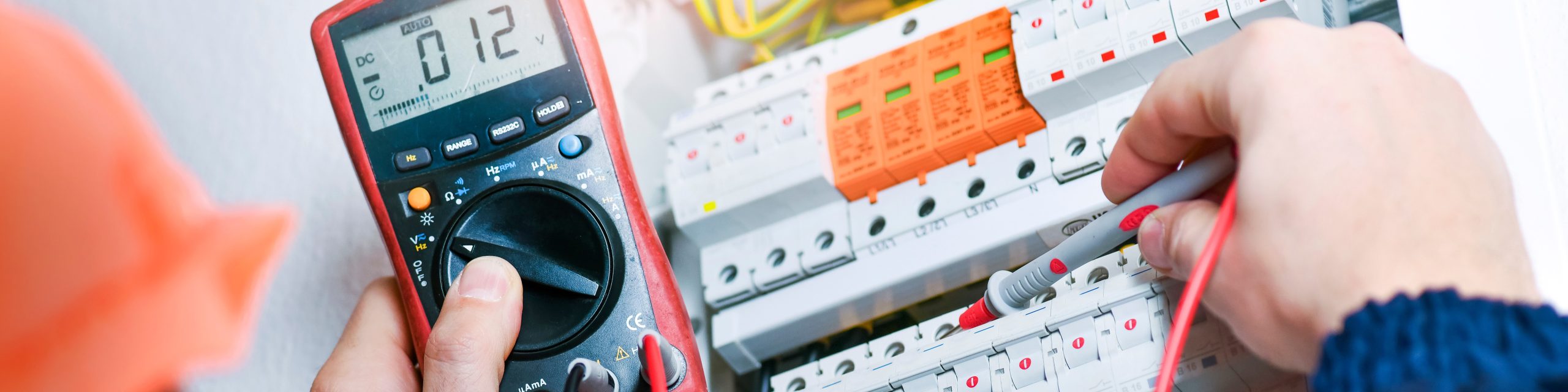
- Inspection and Assessment: A qualified electrician conducts a visual inspection and testing of the electrical installation. This includes checking sockets, switches, wiring, distribution boards, and other electrical components.
- Classification of Findings: The electrician categorises any issues found into three codes:
- C1 (Danger Present): Indicates there is an immediate danger, requiring urgent remedial action to make the installation safe.
- C2 (Potentially Dangerous): Signifies that there is a potential risk present, needing prompt repair or further investigation.
- C3 (Improvement Recommended): Suggests improvements are recommended to enhance the safety or functionality of the electrical installation, though they are not urgent.
- After the EICR you will be issued a pass or fail based on the findings. If passed, there may still be C3 recommendations that you can choose to address for better performance but are not mandatory.
- Remedial Action for Failure: If the property fails the EICR (typically due to C1 or C2 findings), it means there are significant safety concerns that need immediate attention. The electrician will discuss with you the necessary remedial work required to meet safety standards.
Importance of EICRs
- Safety Compliance: Ensures that the electrical installation meets current safety regulations, reducing the risk of electrical hazards such as fires or electric shocks.
- Peace of Mind: Provides homeowners, landlords, or property managers with confidence in the safety and reliability of the electrical systems. In summary, an EICR is essential for verifying the safety and condition of electrical installations, promoting compliance with standards, and addressing any issues to ensure a safe living or working environment.
- Legal Compliance: if you are letting your property out, you must undertake an EICR at every change of tenancy and/or a minimum of every 5 years, as of the 1st of June 2020.
If your EICR identifies C1 or C2 issues, we can carry out the necessary remedial work – from a straightforward consumer unit upgrade to a full or partial rewire, depending on what’s needed to bring the installation up to standard.
If you’re letting the property out, an EICR is also a legal requirement – see our landlord electrical safety duties page for the current deadlines and penalties.
Frequently Asked Questions
How long does an EICR take?
A typical EICR for a 3-bedroom house takes around 2-3 hours, depending on the size of the property and the number of circuits. Larger homes or properties with older wiring may take longer. We’ll give you a more accurate estimate when we book your appointment.
How much does an EICR cost?
EICR costs vary depending on the size of the property and the number of circuits, so we don’t quote a fixed price online. Get in touch for a free, no-obligation quote based on your specific property.
Do I need an EICR if I’m selling my house?
It’s not a strict legal requirement for homeowners selling a property, but many buyers and mortgage lenders now ask for a recent EICR as part of the conveyancing process, and it can help reassure buyers there are no hidden electrical issues.
How often do I need an EICR?
For homeowners, we recommend an EICR every 10 years, or whenever you buy a property if one hasn’t been carried out recently. Landlords have a legal duty to have one every 5 years or at each change of tenancy – see our landlord electrical safety duties page for details.
What happens if my EICR fails?
If your EICR comes back with C1 or C2 observations, the installation is judged unsatisfactory and remedial work is needed to bring it up to a safe standard. We’ll explain exactly what’s required and can usually quote for the work at the same time as the inspection.